
How Mobile Technologies Are Shaping the Evolution of Modern Sports
By HeroPredict Editor
Expert Sports Analyst
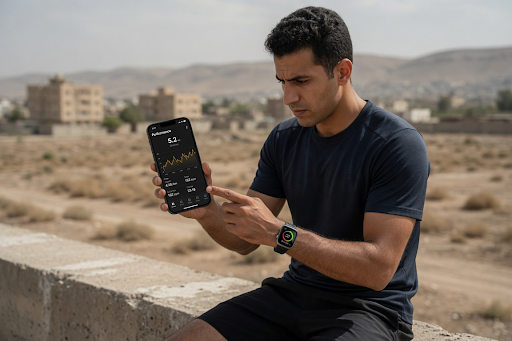
Mobile technologies have changed the way people engage with sports and the way athletes experience and develop their game. One of the most significant changes has been the growing reliance of modern performance teams and coaches on mobile devices during training. These technologies have influenced not only how athletes prepare but also the quality and sophistication of modern sporting performance. To understand the extent to which technology has shaped contemporary sports, it is worth examining the role mobile solutions now play in athletic development.
How Mobile Technologies Have Changed Performance Development
Mobile technology has transformed the development of athletic performance. Training sessions once depended almost entirely on a coach's experience and observations; today, they are increasingly driven by data. Access to accurate performance information has given coaches and athletes tools that were previously unavailable, making it possible to track progress almost step by step. As a result, mobile technology has become one of the key resources supporting an athlete's development.
Many platforms also provide a variety of tools and services through mobile devices. Users can download an (Arabic: تطبيق مراهنات) to follow sporting events and statistics directly from their phones. Melbet brings results, statistics, and various platform features together in a single interface. This combination of sports coverage and digital services has made the experience of following sports more comprehensive and technologically advanced.
Key Mobile Technology Tools in Sports Development
Today's mobile technologies provide a wide range of tools that contribute to sports development. Each serves a particular purpose, whether improving performance or making training more structured. These tools have therefore become an important part of an athlete's development journey. Some of the most significant mobile technologies used in sports include:
- Wearable devices that accurately measure physical exertion.
- Training apps that organize fitness and exercise programs.
- Performance analysis tools that identify an athlete's strengths and weaknesses.
- Fitness monitoring tools that can help reduce the risk of injury and excessive fatigue.
- Communication tools that connect athletes with their coaches remotely.
The role of these technologies has also expanded to the platforms people use to follow developments in sport. Users can visit (Arabic: ميلبيت) to check results and statistics and follow their favorite teams. Melbet offers a range of services designed around the increasingly digital nature of modern sports. Betting, however, should be treated as entertainment and cannot guarantee any particular outcome.
These tools help athletes structure their performance development in a more systematic way. In the past, changes in athletic performance could often be attributed to a loosely connected series of observations and circumstances. Today, athletes can focus on specific data points, making training more targeted and its results easier to evaluate. The information gathered can also be used to adjust existing training programs according to an athlete's individual needs. In many areas of athletic performance, wearable technology has therefore become one of the foundations of modern performance systems.
These tools can also help create a training environment that is both more productive and more engaging. Training has traditionally involved long and sometimes repetitive sessions. Modern training technologies can turn parts of this process into a more interactive and rewarding journey of athletic development. Wearable technology has consequently become a powerful resource for athletes working toward their training goals.
|
Mobile Tool |
Role in Sports Development |
|
Wearable devices |
Accurately measuring physical exertion |
|
Training apps |
Organizing fitness programs |
|
Performance analysis |
Identifying strengths and weaknesses |
|
Fitness monitoring |
Helping prevent injuries and excessive fatigue |
|
Communication tools |
Connecting athletes with coaches |
The Role of Wearable Devices in Athletic Development
Wearable devices are changing the way we think about modern athletic performance. By measuring factors such as heart rate, running distance or distance covered during competition, and exercise intensity, wearables can provide valuable diagnostic information for today's athletes. They allow athletes and performance coaches to receive detailed feedback on physical performance in real time and can help them assess the performance needs of individuals and teams. For this reason, wearable technologies have become important tools in modern sports.
Wearable devices can also help athletes reduce the risk of preventable injuries. By tracking workload and detecting early signs of fatigue, a wearable device can provide a modern and highly detailed framework for evaluating physical performance. It can supply coaching teams with timely information about an athlete's condition and help them make better-informed decisions about training loads and recovery. This makes wearable performance technology an important component of contemporary athletic preparation.
The positive impact of wearable technology extends far beyond professional athletes. Amateur athletes at virtually every level can now monitor their performance in ways that were once difficult or prohibitively expensive. Advances in wearable technology have helped make sophisticated performance tools and methods accessible across many levels of sport. Athletes can use data and measurable indicators to understand and improve their performance. In this sense, mobile sports technology has contributed to raising standards well beyond elite competition.
Importantly, these technologies can also help narrow the technological gap between amateur and professional athletes. Tools that were once largely restricted to elite sports environments are increasingly available to anyone interested in improving athletic performance. This wider access to technology has contributed to better training methods and more informed preparation across different levels of sport and competition.
This opportunity for development has given amateur athletes additional motivation to continue training and improving. Access to equipment and resources inspired by professional sports can encourage them to pursue higher standards. Over time, these ambitions can raise the level of grassroots sport and contribute to the emergence of new talent. Technology therefore plays an increasingly important role in identifying and developing athletes who might otherwise have remained unnoticed.
As these technologies have become more widespread, sports clubs have also begun using performance data as part of talent identification. Data can reveal aspects of an athlete's abilities that may not always be obvious through traditional observation alone. Greater reliance on measurable information can add another layer of evidence to scouting decisions, although it does not replace experienced human judgment. In this way, data can help highlight promising abilities and skills that might otherwise be overlooked.
Improvements in talent identification can have a positive effect on sport as a whole. As selection processes become more informed and precise, the standard of teams and competitions can rise as well. Continuous improvement in training, scouting, and performance analysis can make sport increasingly competitive and engaging. Mobile technologies can therefore be viewed as a meaningful investment in the future development of sport.
Balancing Entertainment and Responsibility in the Digital World
Betting and digital gaming should be regarded as forms of entertainment rather than sources of income. Excitement surrounding sporting events and developments can sometimes encourage impulsive decisions. For this reason, responsible platforms may provide tools such as deposit limits and session-time controls. Gambling activities are also restricted by age and local law, so users should check the applicable legal requirements and use appropriately licensed platforms where such activities are permitted.
It is useful for users to establish clear limits on both time and money before beginning any gambling-related digital activity. Such discipline can help prevent sporting excitement from influencing financial decisions. The primary purpose should remain enjoying sport and the experience of following its development. With sensible boundaries, digital entertainment can remain a more controlled and positive experience.
Digital awareness is equally important for athletes using technology in training. Excessive reliance on numbers can sometimes distract an athlete from the natural signals provided by their own body. It is therefore important to balance data with experience and physical awareness during training. This allows athletes to benefit from technology without allowing it to dominate every aspect of their development.
How Athletes Can Benefit from Mobile Technologies
Mobile technologies give athletes powerful tools for developing their performance and monitoring progress more accurately. Today, athletes can measure physical effort, organize training, and communicate with coaches with remarkable ease. These capabilities make the development process more structured, effective, and transparent. To make the most of these technologies, athletes can follow several straightforward steps:
- Use wearable devices to monitor physical exertion accurately.
- Rely on trustworthy apps to organize training programs systematically.
- Review performance data regularly to identify areas that need improvement.
- Consult a qualified professional when interpreting complex data to avoid drawing incorrect conclusions.
- Balance the use of technology with awareness of how your body feels during training.
Over time, athletes can learn how to use mobile technologies more effectively. They develop a better understanding of how to combine objective data with personal experience to improve performance. Developing this ability encourages a more systematic approach to building athletic skills. Ultimately, athletes can work toward their sporting goals through a more structured, data-informed methodology.
Balancing data with passion is an important part of sustainable athletic development. Technology is a powerful tool when athletes know how to use it effectively, but it complements rather than replaces talent, discipline, and effort. By maintaining this balance, athletes can combine the intelligence provided by modern technology with the competitive spirit that remains at the heart of sport.
The impact of these technologies is not limited to any single discipline. From football to track and field, a wide variety of sports have benefited from mobile technology. This demonstrates how deeply technological development has influenced the broader evolution of sport. As the technology continues to advance, its influence is likely to expand further in the years ahead.
The Future of Sports in the Age of Mobile Technology
Innovation in mobile technology has become one of the forces driving change in modern sports. The integration of wearable devices, training applications, and performance analytics has created significant new opportunities for athletes to improve the way they train and evaluate their progress. Sports enthusiasts in Iraq and elsewhere can increasingly access these technologies as practical tools for athletic development. As these tools continue to evolve, younger generations of sports enthusiasts will be able to enjoy and participate in sport with greater access to information, a stronger sense of responsibility, and equipment designed to meet the demands of the modern era.