Cricket’s Enduring Popularity in South Africa: History, Stars, and Future Growth
Cricket has always been one of the most beloved of South Africa’s sports, and therefore sport has been historically a major part of the culture of the country. In stadiums packed in Johannesburg, or Cape Town, or the dusty township fields where young talent is born, the game holds millions under its spell . The sport has become even more globally comprehensive in recent years due to its online presence, where fans look for scores, stats and player news. More importantly for cricket, the increased access to digital space has increasingly brought it in direct competition with other sports online, even as it has engaged a younger audience through these new media, some of whom also play with Yolo247 app -style applications to follow their favorite teams and players .
Historical Roots and Growth
Cricket was a relatively late colonial import, arriving in the 19 century with the British settlers in South Africa. Its domestic leagues were formed and it became a structured and competitive sport over time. South Africa began Test cricket in 1889 and boasts a long history of success.
The sport’s development suffered a blow during the apartheid period as South Africa was isolated from the international community of cricket; between 1970 and 1991 South Africa did not engage in international cricketing fixtures. While the game was no longer growing around the world over this period of separation it did the opposite for the domestic game. In 1991 South Africa was welcomed back into international cricket and immediately were once again considered elite.
International Success and Iconic Players
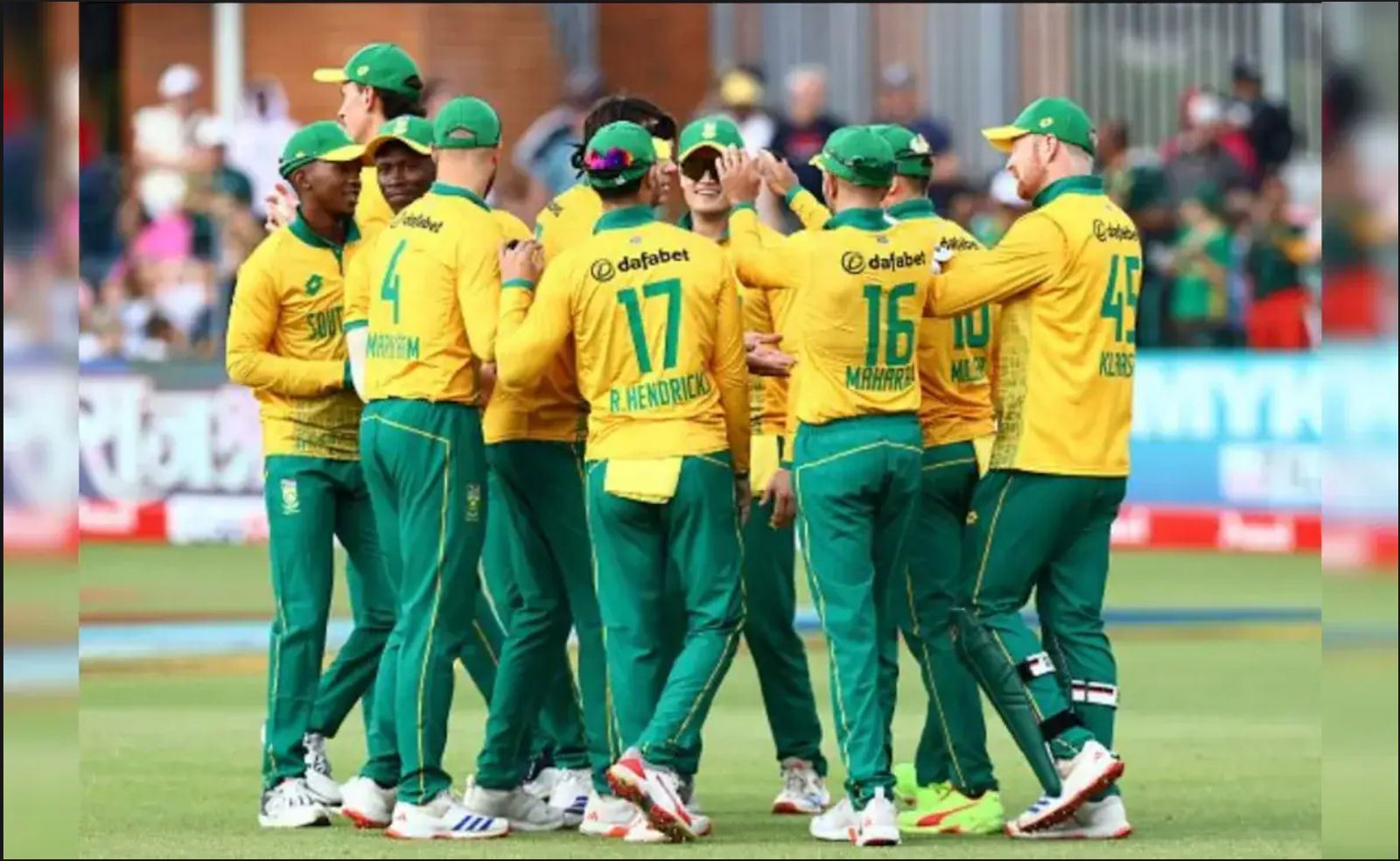
This is due to the fact that the national cricket team, or the Proteas as they are known in South Africa, has been very successful and has been one of the top performing teams over the years. South Africa has become synonymous with great cricketers who have over time inspired generations.
The contributions of players Jacues Kallis, thought of as one of the greatest all rounder in the history of cricket, and AB de Villiers, recognized for his ‘unorthodox’ batting style, have been instrumental in raising the profile of the sport. Bowlers like Dale Steyn, similarly, brought world recognition with his place and skill.
More recently modern stars such as Kagiso Rabada and Quinton de Kock have kept that legacy alive and made cricket a huge draw in the country.
Domestic Cricket and T20 Leagues
Cricket excitement and talent were fostered on the domestic level, in part to keep the cricket game relevant and popular. The CSA 4-Day Series and the Momentum One Day Cup have been competitions in which younger players have had the chance to prove their worth.
The advent of the T20 leagues has brought it to previously unseen heights of popularity and particularly strengthened the grip of cricket on younger generations. T20 cricket is well suited to contemporary preferences for quick, entertaining forms of amusement; matches in this form of the game are well attended at both stadium and virtual spectatorium. On top of that, T20 leagues in South Africa have begun to draw overseas players to the sport, thus again growing the public and commercial value of the sport.
This explosion in T20 cricket has also seen a rise in fan-activity around the sport, engaging with multiple platforms to get insights, make predictions and publicity discuss the game. The Yolo247 welcome bonus available is also a good example of deals that have become appropriate for cricket followers that like to interact with cricket in a more interactive manner aside from viewing.
Grassroots Development and Diversity
South Africa has slightly advanced cricket in terms of inclusion and diversity. Developing grassroots family programs has been a key factor for identifying talent from under serve communities. Young cricketers develop at the school and local club level, before being scouted for the provincial and national teams.
Cricket South Africa, among others, has policies of this nature to guarantee that any player regardless of where they hail from has an equal opportunity to succeed. Not only has this increased the talent base but the sport has also become more popular amongst other communities.
Township cricket projects in particular, have begun the process of democratizing the game. These types of programs involve coaching, infrastructure, and the opportunity for disadvantaged young players to train with others, and, or in a professional training environment.
Fan Culture and Stadium Experience
Of course South Africa’s followers are among the most passionate of all cricket fans. Famous stadiums like the Newlands Cricket Grounds or Wanderers Stadium often provide entertaining games and lively fans.
An afternoon at the cricket in South Africa is a truly pleasant experience of good cricket amidst beautiful surroundings and in an amiable environment. From the iconic Table Mountain backdrop at Newlands to the charged atmosphere of the Wanderers, watching cricket in South Africa is a memorable experience.
Fans engage in active dialogue on social media, fantasy leagues and online forums as well – all of which contributes to a burgeoning fan base that is holistically involved in the game of cricket.
Challenges and Competition from Other Sports
Although a highly popular sport, cricket does have to compete with other sports in South Africa, most notably rugby and football. It is worth noting here that the South African national rugby team has, for many years, been far more successful on an international level than cricket and has often displaced cricket as the sport upon which the nation focuses with jingoistic pride.
Football also has a huge following, particularly with the local leagues as well as international tournaments. This makes cricket’s administrators need to always think of new ideas to keep the game exciting.
On top of that, problems of maintaining players, financial difficulties, and administrative problems have had an effect on cricket as well. Most South Africans participate in leagues abroad, this also to some extent affects local competitions.
The Role of Media and Technology
The proliferation of digital media has brought with it a new way of consumption of cricket in South Africa. Live streaming, mobile applications, and social networking sites have made it increasingly easier for fans to follow games live.
Broadcasters and online platforms offer interactive content and player stats and analyses that help to provide context for the viewing experience. This has worked to great effect with a younger demographic, ensuring cricket stays “cool” in an entertainment world that is very quickly trying to do away with it.
Future Outlook
Overall the future of cricket in South Africa is looking good with investments taking place from the grassroots development to infrastructure to the domestic leagues. The presence of such emerging talent, and the team’s continued success at the national level, will serve to maintain interest amongst fans.
This facilitates the sport reaching a broader spectrum of individuals by incorporating a greater variety. The role of technology, and novel forms of fan engagement will also increasingly become the determinants of cricket’s future.
Concluding Thoughts
Cricket is widely enjoyed in South Africa due to having a strong history, popular players, strong local infrastructure, and an enthusiastic following. The sport has grown and continues to grow, responding to the changing landscape and opportunities presented.
The continued success of South African cricketers and success of major tournaments hosted in South Africa ensures that cricket will remain an essential element of the South African sporting consciousness. With the proper mix of tradition and change this game has the ability to remain a mainstay of the American sporting experience for generations.